
Are you looking to relocate to Dubai in 2025?

This vibrant emirate in the UAE beckons with its futuristic skyline and promises of a dynamic lifestyle. As of 2025, Dubai’s population has grown to nearly 4 million, with expatriates comprising around 85–90% of residents, truly making it a global city where over 200 nationalities live side by side. If you’re considering moving to Dubai for work, family, or a change of scenery, this comprehensive guide covers everything you need for a smooth relocation to Dubai.
Key Considerations at a Glance (2025):
- UAE Working Week: Public Sector: Monday–Friday; Private Sector: Flexible (many adopt a Saturday–Sunday weekend, aligning with international standards).
- Estimated Initial Relocation Cost (Family of 4): AED 40,000–60,000.
- Primary Visa Types for Dubai Relocation: Employment, Investor, Golden, Remote Work, Blue Residency.
- School Fees: Can range from AED 15,000–100,000+ per year, depending on curriculum and school tier.
- Emirates ID: Mandatory for all official services and identification.
- Top Expat Areas for Moving to Dubai: Jumeirah Village Circle (JVC), Dubai Marina, Downtown Dubai, Arabian Ranches.
Why Relocate to Dubai?
Dubai offers unparalleled career advancement opportunities, a tax-free income, and a highly diverse international community. Expats relocate to Dubai to grow professionally, enjoy modern comforts, and be part of a cosmopolitan city with a high standard of living. In 2025, many professionals and families continue to choose Dubai because of its world-class infrastructure, high personal safety, and access to global business and education opportunities, making it an attractive destination for anyone considering moving to Dubai.
Key Benefits of Living in Dubai include:
- Tax-Free Salaries: The UAE levies no personal income tax, allowing you to maximize your earnings. (Note: A 5% VAT applies to most goods and services.)
- Career & Business Opportunities: Dubai’s economy is thriving, particularly in finance, real estate, tourism, technology (especially AI and digital transformation), and logistics. Free zones offer 100% foreign ownership for entrepreneurs, and the job market is vibrant for skilled expatriates looking to move to Dubai.
- High Standard of Living: From cutting-edge architecture and luxury shopping malls to pristine beaches and desert adventures, Dubai blends modern amenities with cultural experiences. The infrastructure (transport, utilities, digital services) is top-tier, making daily life convenient for those who relocate to Dubai.
- Safety and Stability: Dubai is consistently ranked among the safest cities in the world, boasting very low crime rates and strict law enforcement. This sense of security is a significant draw for many.
- Multicultural Environment: Dubai’s diversity helps newcomers feel at home. English is widely spoken (alongside Arabic), minimizing language barriers. It’s easy to find community through expat groups, events, and networking in such an international city.
Check out our guide on Where do Expats Live in Dubai
Challenges of Relocating to Dubai
Relocating to Dubai, while exciting, has its challenges. It’s crucial to understand local norms, laws, and expenses to avoid any surprises:
- Cultural and Legal Adjustments: The UAE has specific cultural norms and laws that expats must respect. For example, modest dress codes in public, restrictions on alcohol (allowed only in licensed venues or with permits), and strict codes of conduct (public behavior) are enforced. Dubai is more liberal than other Middle Eastern countries, but newcomers should be mindful of local customs, especially during religious periods like Ramadan.
- Climate Adaptation: Expect extremely hot summers (over 40∘C / 104∘F in peak months) and high humidity. Adapting to year-round sunshine and staying hydrated is important. Many families schedule travel during the summer or plan more indoor activities for themselves and their families. Dubai caters well to indoor activities during the hottest weeks.
- Cost of Living: While salaries are tax-free, the cost of living in Dubai can be relatively high. Housing and schooling are usually the highest costs. Premium areas and international schools come with premium prices. Meticulous budgeting is needed, as upfront costs (rent security cheques, school fees, car purchase, etc.) can be significant.
- Administrative and Logistics for Your Dubai Relocation: Moving to Dubai involves significant paperwork. Expats must navigate visa processes, residence permits, Emirates ID registration, and setting up services (bank accounts, utilities, driver’s license). Dubai’s systems are efficient but can be complex for newcomers – expect an administration learning curve when adapting to the new processes.
- Distance from Home: For some, the distance from one’s home country and family can be challenging. Homesickness or adjusting to the climate may require an adjustment period. Prepare yourself and your family for this period of adjustment. However, Dubai’s excellent connectivity (one of the world’s busiest airports) makes traveling home or receiving visitors quite convenient.
Visa and Residency Options for Relocating to Dubai
To live and work in the UAE, you need a valid residency visa. There are several pathways, each with its requirements for relocating to Dubai.
- Employment Visa: Most common route, sponsored by a UAE-based employer. The company handles most paperwork. You will need to provide the following documents, like your passport, passport photos, attested educational certificates, and pass a medical exam. Typically, 2-year renewable.
- Tip: Secure employment before moving to Dubai for an employer-sponsored visa and to potentially cover your relocation costs.
- Family Sponsorship Visa: If you have a spouse or parent already in the UAE on a valid visa, they can sponsor you as a dependent. Likewise, if you are working in Dubai, you can sponsor your spouse, children (and in some cases parents). There are income requirements – generally a minimum salary of around AED 4,000 (with accommodation provided) or ~AED 20,000 for sponsoring parents. Visas are usually valid for 2 years and are renewable.
- Investor/Property Visa: For those investing in the UAE. Buying property worth at least AED 750,000 qualifies for a 2-year investor visa, and property worth AED 2 million+ qualifies for a 5-year or 10-year Golden Visa. Starting a company or investing in a business can also grant investor visas for your Dubai relocation.
- Long-Term Residency – Golden Visa: The UAE’s Golden Visa program (introduced in 2019 and expanded in 2025) offers 5- or 10-year renewable residency without needing a local sponsor.
- Remote Work Visa (Digital Nomad): Dubai offers a one-year virtual work residence visa allowing foreigners employed abroad to live in the UAE while working remotely for their overseas employer. This is a popular option for those who are moving to Dubai and maintains their international employment.
- Eligibility: Proof of remote employment with a minimum monthly income of USD 3,500 (or equivalent). You’ll need your last month’s payslip + 3 months of bank statements (or evidence of company ownership and $3,500 average income if self-employed). Requires valid UAE health insurance and a police clearance certificate.
- Self-Sponsorship: This visa is self-sponsored, valid for 1 year, and renewable. You can also bring your family.
- Important: This visa allows residency but does not permit local employment in the UAE. Remote workers manage their own accommodation and finances. It generally does not grant UAE tax residency by default, meaning you may still be liable for taxes in your home country. Your foreign-registered business is typically not subject to UAE corporate tax if simply managed remotely from here.
- Blue Residency Visa (2025 Update): A first-of-its-kind 10-year visa aimed at individuals making exceptional contributions to environmental protection and sustainability. This includes scientists, researchers, innovators, and sustainability professionals involved in marine life preservation, climate change mitigation, or renewable energy projects.
Note: new changes can and may be made after this article was published. Also, look at government sites for the latest updates, or contact us for the latest updates.
Visa Application Basics (Common Requirements for Dubai Relocation)
No matter the type of Visa, you will typically need the following:
- Medical Exam: A mandatory blood test for HIV/hepatitis and a chest X-ray for tuberculosis. Passing this is required.
- Emirates ID: Registration for this primary identification card is essential for anyone wanting to relocate to Dubai.
- Documents: Passport (6+ months validity), passport-sized photos, attested academic/professional certificates, marriage or birth certificates for dependents, and potentially police clearance from your home country (for certain visas).
- 2025 Update for Indian Passport Holders: As of Feb 13, 2025, Indian passport holders with valid visas/residence from specific countries (e.g., US Green Card, UK/EU residence) are eligible for visa-on-arrival. Additionally, eligible Indian nationals with a regular passport (6 months validity) can get a 14-day single-entry visa on arrival starting in 2025.
Here’s a quick reference of visa types and what they offer for your move to Dubai:
| Visa Type | Key Benefit |
| Employment Visa | Join a family member in Dubai (spouse/child/parent). Dependent on the sponsor’s status, renewable. |
| Family Sponsorship | Join a family member in Dubai (spouse/child/parent). Dependent on the sponsor’s status, and renewable. |
| Investor/Property Visa | Residency through investment (buying a property or opening a business). Duration varies (e.g., 2-year investor visa, 5-year or 10-year property Golden Visa). |
| Golden Visa | Long-term (5 or 10-year) residency for investors, entrepreneurs, specialized professionals (including AI, healthcare, education, digital content), and top talents. No local sponsor needed, and offers more security and flexibility (e.g., ability to sponsor adult children, no 6-month out-of-UAE rule). |
| Remote Work Visa | 1-year Dubai residency for remote workers (self-sponsored, working for a foreign employer). This allows you to live in Dubai while maintaining your foreign employment. It does not allow local UAE employment. Minimum income requirement applies. |
| Blue Residency Visa | A new 10-year visa for individuals making exceptional contributions to environmental protection and sustainability (scientists, researchers, innovators, etc.). |
(2025 Update: The UAE continually refines its visa programs. Always refer to the official UAE government portal or a legal advisor for the latest visa rules, as criteria and processes can evolve.)
Navigating the Job Market & Working Culture for Your Dubai Relocation

Understanding the local work culture and job market is highly important to ensure a smooth professional transition when you relocate to Dubai.
Job Market Outlook
Dubai’s economy is a diversified market, with strong demand in finance, real estate, tourism, technology (especially AI, cybersecurity, and digital transformation), logistics, and healthcare. There’s also a growing focus on sustainability roles with the introduction of the Blue Residency Visa. Business networking, online portals (LinkedIn, Bayt.com, Naukri Gulf), and professional recruitment agencies are essential for job seeking.
Working Culture
- Working Hours: The official workweek for UAE federal government entities, most private sectors, and schools is from Monday to Friday afternoon, with Saturday and Sunday forming the weekend. Working hours are typically from 8 am to 5 pm. On Fridays, many businesses operate a half-day, often finishing by 12 noon, to allow for Friday prayers. During the holy month of Ramadan, working hours are reduced for all employees.
- Public Holidays: The UAE observes several public holidays throughout the year, including New Year’s Day (Jan 1), The Prophet’s Ascension (Israa and Mi’raj – likely Jan 29), Eid Al Fitr (likely Mar 30 – Apr 2), Arafat Day (likely Jun 5), Eid Al Adha (likely Jun 6-8), Islamic New Year (likely Jun 27), The Prophet’s Birthday (likely Sep 5), Commemoration Day (Dec 1), and UAE National Day (December 2-3). Dates for Islamic holidays are based on the lunar calendar and may vary slightly each year. (Note. These dates should be confirmed with the government portals.)
- Dress Code & Etiquette: While Dubai is relatively liberal, professional attire is expected in the workplace. This generally means formal business wear; for women, this means modest dressing (shoulders, chest, and knees covered). Business meetings often begin with small talk to build rapport, and punctuality is highly valued. Hierarchy is respected, and communication should be formal.
- Summer Outdoor Work Ban: From mid-June to mid-September, a midday break (12:30 pm – 3:00 pm) for outdoor work is enforced across the UAE to protect workers from extreme heat.
- Emiratisation Policy: The UAE government has a strategic initiative called Emiratisation, which aims to increase the number of Emirati citizens in both public and private sectors. Companies, especially larger ones and those in specific industries (like banking or government-related entities), have quotas to meet. This means that while opportunities for expats remain abundant, certain roles or sectors may prioritize Emirati nationals. It’s a key policy that encourages companies to invest in local talent development and reduce reliance on foreign workers in the long term.
Finding Accommodation in Dubai for Your Relocation Needs

Finding a home in Dubai is one of the biggest tasks you will encounter when you relocate to Dubai, but the city offers a wide range of options. Getting help from a professional can assist with these stressful transitions.
Renting in Dubai
The majority of expats rent their accommodation.
Below is what the process typically involves for those moving to Dubai:
- Search and Viewings: Browse property portals (Bayut, Property Finder, Dubizzle) or engage a licensed real estate agent or let a relocation agent assist with doing the administrative and booking of appointments for you. (fees typically 5% of annual rent). Consider proximity to your workplace or children’s school – Dubai traffic can be intense at rush hour.
- Tenancy Contract: Rentals are usually for 1 year. Rent is often paid upfront or as a few post-dated cheques (two to four cheques per year are also common; monthly payments may mean slightly higher total rent).
- Ejari Registration: Every lease must be registered with the Dubai Land Department’s Ejari system. This is a crucial registration required for utilities, family visas, etc. The relocation agent or landlord typically handles this (for a small fee of approximately AED 175 upwards).
- Deposits and Fees: Expect a security deposit (usually 5% of annual rent for unfurnished, 10% for furnished), refundable at move-out (minus damages). Agent commission (typically 5%) is also paid upfront. A housing fee (5% of rent) is levied by the municipality and added to your monthly utility bills.
- Utilities: After Ejari, set up DEWA for water/electric (a deposit of ~AED 2,000 for an apartment is required, refundable). Internet and TV packages are available through Etisalat or Du.
- Furnishing: Many rentals come unfurnished (sometimes even without basic appliances). Factor in the cost to purchase furniture for your home, or look for semi-furnished or fully furnished options.
Popular Expat Neighborhoods for Dubai Relocation
Dubai is a city of diverse neighborhoods. Here are some top areas for expats who relocate to Dubai:
| Area | Key Features |
| Downtown Dubai | Urban core, next to Burj Khalifa and Dubai Mall. High-rise living, walkable conveniences, Metro access. Bustling vibe, but higher rents for iconic location. |
| Dubai Marina | Trendy waterfront living with skyscraper apartments, lively nightlife, and dining. Close to Media/Internet City job hubs. |
| Jumeirah | Leafy coastal district with low-rise villas and townhouses. Popular with families for its beaches, parks, and top international schools. Pricier with limited apartment options. |
| Mirdif | Suburban feel near the airport. A mix of affordable villas and apartments, popular with expat families seeking value. Community malls and parks; a bit farther from the city center. |
| Arabian Ranches | Gated villa community on the outskirts. Quiet, family-oriented suburbs with a golf course and greenery. Offers spacious homes and a tight-knit expat community. |
| Jumeirah Village Circle (JVC) | Rapidly developing area with many new apartments and townhouses. More affordable rents for the space provided, popular for value and modern units. |
Other notable areas:
- Business Bay (close to Downtown, popular with young professionals)
- Emirates Hills/Palm Jumeirah (luxury villa areas)
- Dubai Silicon Oasis (affordable apartments, low-key community)
Common Renting Mistakes to Avoid When Moving to Dubai
- Budgeting Only Monthly: You need significant upfront cash for deposits, agent fees, and multiple rent cheques.
- Skipping Ejari or Utilities Setup: These are crucial for visa processes and essential services. Prioritize them.
- Using Unlicensed Agents or Verbal Agreements: Always work with RERA-licensed agents and insist on written contracts.
- Not Inspecting the Property: Document any existing damage at move-in to avoid deposit deductions later.
Cost of Living & Relocation Expenses (2025 Update)
Relocating to Dubai can be costly, so essential budgeting is required. The table below is an estimate for a family of four; actual costs will vary.
Initial Relocation Cost Breakdown (Family of Four)
| Cost Item | Estimated Range (AED) | Notes |
| Visa fees (2 working adults) | 10,000 – 16,000 | Includes medical tests, Emirates ID, etc. |
| One-way Flights (per person) | 1,500 – 5,000 | Economy varies by origin (regional flights on the lower end, long-haul on the higher end). |
| Temporary Accommodation | 3,000 – 10,000 per week | Short-term rental or hotel for initial arrival. Serviced apartments may offer monthly rates. |
| International Shipping (household goods) | 7,000 – 25,000 | Depends on volume and distance; sea freight is cheaper but slower, air freight is expensive. |
| School Initial Fees (per child) | 5,000 – 15,000 | Registration, admission tests, uniforms, and non-refundable deposits. |
| Initial School Tuition (per child) | 20,000 – 60,000 per year | Paid term-wise; varies greatly by school curriculum and grade. |
| Rental Housing Deposit + Agent Fee | ~5% of annual rent + 5% agent fee | E.g., for an AED 100k/year apartment, need AED 5k deposit and AED 5k agent commission upfront. |
Note: If you’re moving to Dubai without a company relocation package, you’ll need to fund the above yourself. It’s wise to have a cushion for at least 3–6 months of expenses in case of any delays or unexpected costs.
Many expats recommend having at least AED 40,000–60,000 (USD 11,000–16,000) set aside to cover the initial cost for a family. For singles, a smaller amount may suffice, but Dubai often requires more upfront cash than other destinations.
Monthly Living Expenses in Dubai (2025 Estimates)
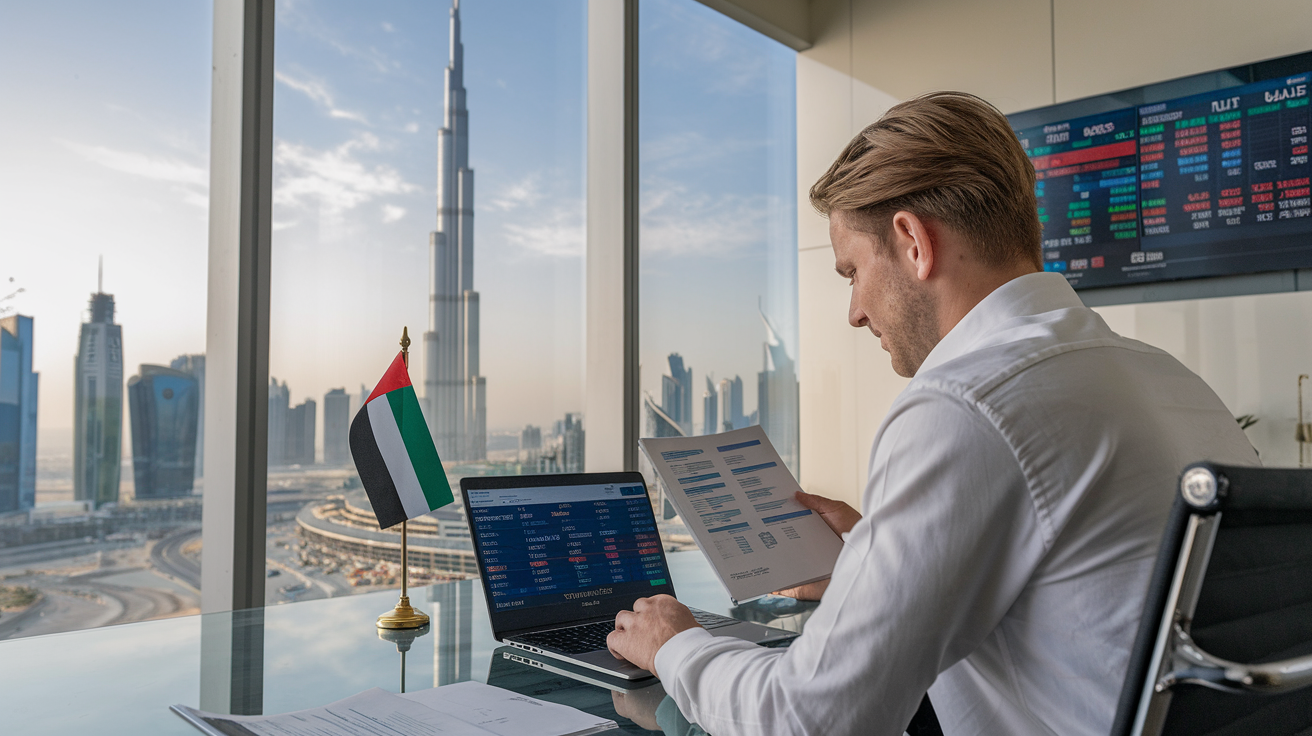
The cost of living once you’ve moved to Dubai can range widely based on lifestyle. Below is a rough monthly budget for a moderate lifestyle (in AED) for two adults.
| Category | Monthly Cost Range (AED) | Notes |
| Housing – Rent (2BR) | 5,000 – 12,000+ | JVC or Al Nahda: ~5K; Marina, Downtown: 10K–12K+ |
| Utilities + Internet | 800 – 1,500+ | Electricity/water: 500–1,000 depending on A/C usage; Internet: ~300 for high-speed plan |
| Groceries (for 2 people) | 1,500 – 2,500+ | Depends on diet and store choice (Carrefour, Spinneys, organic markets) |
| Dining Out | 800 – 1,500+ | Mix of casual meals (25–50 AED) and occasional mid-range dining (150–300 AED per meal) |
| Transportation | 400 – 1,000+ | Metro: ~300 monthly pass; Private car fuel + parking: ~800–1,000 |
| Mobile Plan | 200 – 500+ | Etisalat/Du monthly postpaid or prepaid options |
| Healthcare (basic insurance) | 500 – 1,000+ | Employer may cover this; otherwise, varies based on plan (annual cost divided monthly) |
| Leisure & Entertainment | 500 – 1,200+ | Cinema, events, gyms, weekend activities |
| Schooling (if applicable) | 2,500 – 8,000+ | Depends on school (British/IB curricula cost more); excludes admission fees (per child, if applicable) |
| Domestic Help (optional) | 1,500 – 2,500+ | Live-out maid or part-time cleaner; nanny support |
| Miscellaneous | 500 – 1,000+ | Shopping, personal care, delivery apps, etc. |
Estimated Total Monthly Expenses (for a moderate lifestyle for 2 adults without schooling needs):
- Low-End Estimate: AED 10,100
- High-End Estimate: AED 22,000 + (Please note: These are estimates. Your actual expenses will vary based on personal choices and family size.)
Essential Services for Those Relocating to Dubai: Banking, Healthcare, and Transportation
Once you’ve established your residency, setting up crucial daily services is next for your Dubai relocation.
Banking in Dubai
Opening a bank account is a critical step once you have your residency visa and Emirates ID when you move to Dubai.
- Requirements: Typically, you’ll need your Emirates ID (or ID application receipt), passport, visa copy, and a No Objection Certificate (NOC) from your employer (if employed). Some banks may also require a salary certificate or a letter of introduction from your previous bank.
- Types of Accounts: You can open current (checking) accounts, savings accounts, and sometimes credit card accounts immediately.
- Salary Transfer: Most employers require you to have a local bank account for salary transfers.
- Challenges for Remote Work Visa Holders: Some banks may be more cautious about opening accounts for individuals on a remote work visa due to the lack of a local employer. It’s advisable to research banks that are more accommodating to digital nomads or self-sponsored residents.
Healthcare in Dubai
Dubai boasts world-class medical facilities and a robust healthcare system for its residents.
- Mandatory Health Insurance: Health insurance is mandatory for all residents in Dubai. You cannot obtain or renew your residency visa without valid health insurance.
- Employer Coverage: For employees, health insurance is typically provided by your employer. The level of coverage can vary from policies to service providers, so understand your policy details.
- Dependents & Self-Sponsored: If your employer’s policy doesn’t cover dependents, or if you are self-sponsored (e.g., on a Golden Visa or Remote Work Visa), you will need to purchase private health insurance plans for yourself and your family.
- Medical Facilities: The city has a high density of modern hospitals, clinics, and specialized medical centers, offering a wide range of services. English is commonly spoken by medical professionals across the UAE.
- Emergency Services: Emergency medical services are efficient and accessible.
Mastering Transportation in Dubai
Dubai boasts an efficient public transport system, though many residents opt for private cars.
- Dubai Metro: A clean, modern, and affordable way to get around key areas. A Nol Card is essential for cashless travel.
- Buses and Taxis: An extensive bus network covers areas not served by the Metro, and taxis/ride-hailing apps (Careem, Uber) are widely available.
- Car Ownership: If you plan to drive, you’ll need to convert your home country’s driving license (if eligible) or obtain a new one. Fuel is relatively inexpensive.
Embrace the Lifestyle When You Relocate to Dubai
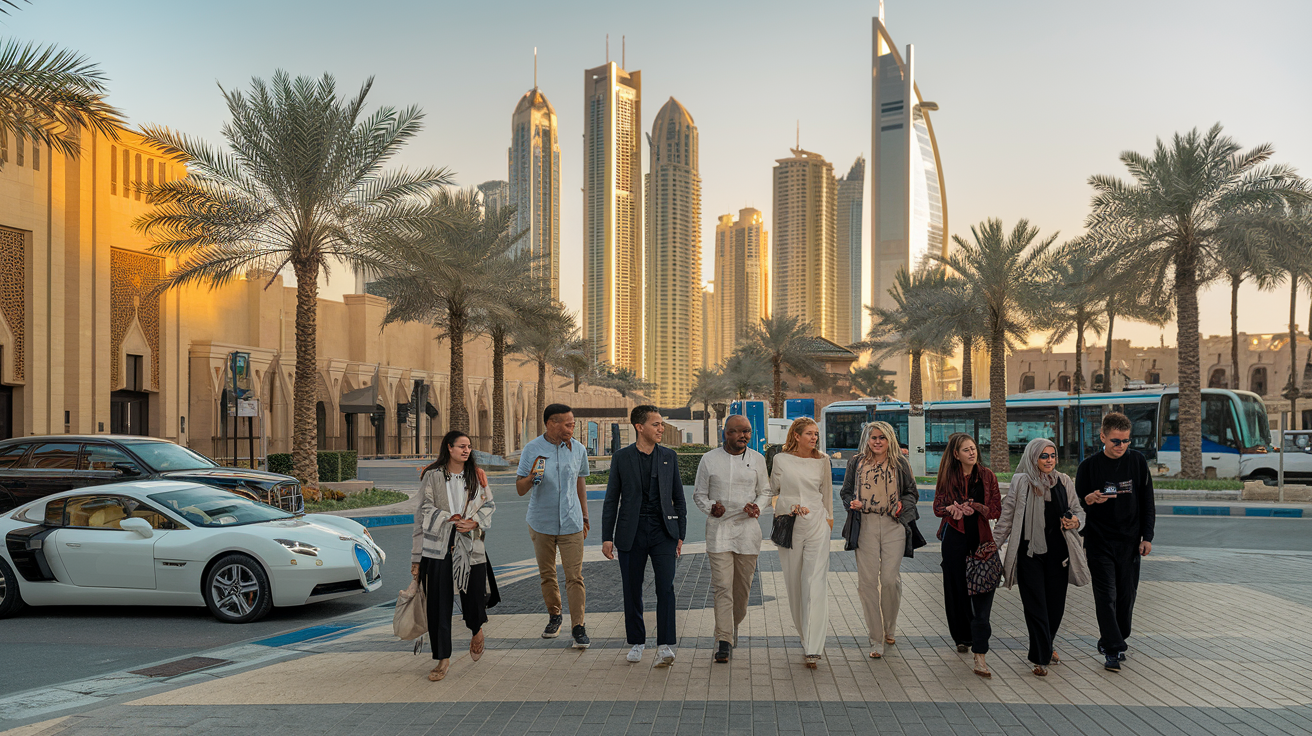
Dubai offers a unique blend of modern luxury and rich culture, providing an exciting environment once you’re settled after your move to Dubai.
- Culture & Etiquette: While Dubai is very cosmopolitan, it’s important to respect local customs and Islamic traditions, especially during religious holidays like Ramadan. Modest dress is appreciated in public places.
- Education: For families, Dubai offers a vast selection of international schools with diverse curricula (British, American, IB, Indian, etc.). School fees are a significant consideration and a major part of the cost of living for families.
- Leisure & Entertainment: From world-class shopping malls and fine dining to desert safaris, pristine beaches, thrilling theme parks, and vibrant cultural events, there’s always something to do.
- Social Life: Dubai’s large expat community makes it easy to connect with people from around the world. There are numerous social clubs, sports leagues, and cultural groups catering to diverse interests.
Relocation Timeline & Pre-Relocation Essentials for Moving to Dubai
A smooth move to Dubai starts with a solid plan. Use this timeline as your relocation roadmap, along with a checklist of essentials.
Pre-Relocation Essentials
- Document Safety: Carry physical and digital copies of important documents (passports, birth/marriage certificates, job offer, medical records, vaccination cards, etc.). Have an International Driving Permit, even if you plan to get a UAE license, and multiple passport-sized photos. Ensure attestation of educational and personal certificates is completed in your home country.
- Health Prep: If you take prescription medications, check if they are allowed in the UAE (some medications are regulated). Bring a supply and a doctor’s note/prescription if needed. All residents must have health insurance, but travel health insurance covering your journey for the first weeks is advisable.
- Pet Relocation (if applicable): Start the pet import process early. Pets need microchipping, up-to-date vaccinations (rabies shot at least 21 days before travel), a veterinary health certificate (within 10 days of travel), and an import permit from the UAE Ministry of Climate Change & Environment (MOCCAE). Check pet travel regulations and note restricted/banned breeds (e.g., Pit Bulls, Rottweilers, Dobermans, etc.). Consider hiring a pet relocation service.
Relocation Timeline
6+ Months Before You Relocate to Dubai:
- Research and Documentation: Investigate Dubai’s visa options and job market trends in your field. If you need to find a job, start networking or applying now.
- Document Attestation: Gather important documents
- Driving License: Check if your current driver’s license is from an approved country for direct conversion to a UAE license. If not, plan for driving tests.
4 Months Before Moving to Dubai:
- Secure Visa or Job: If possible, secure a job offer in Dubai (or a UAE-based sponsor) at this stage. Most expats move on an employment visa, so your employer will handle much of the visa paperwork. Alternatively, if applying for an investor or freelance visa, begin that process.
- Start Visa Process: Once you have a sponsor, begin the UAE visa application. This may involve medical tests and background checks. Ensure your passport has at least 6 months’ validity.
- Scout Housing & Schools: Research areas to live in Dubai and shortlist neighborhoods. If you have children, research schools and begin applications – popular international schools can have waiting lists.
- Relocation Logistics: Obtain quotes from international moving companies for shipping your household goods. Decide what to ship versus buy new in Dubai.
2 Months Before Your Dubai Relocation:
- Finalize Job & Papers: Follow up diligently on job or visa confirmations. Ensure all required documents for visas are ready
- Book Movers & Flights: Book your movers/shipping service. Sea freight can take several weeks (ship 4–6 weeks before moving). Book your one-way flights to Dubai.
- School Admissions: Secure school enrollment.
1 Month Before Moving to Dubai:
- Housing & Utilities: Arrange temporary accommodation in Dubai if needed.
- Finalize Financials: Close or update home country bank accounts. Prepare to open a Dubai bank account.
- Packing: Begin packing luggage. Keep essential documents, some clothing for the heat, and important electronics with you. Sell, donate, or store belongings you aren’t bringing.
Arrival Week in Dubai:
- Residency Procedures: Upon arrival (if on an employment visa), complete the remaining residency formalities.
- Emirates ID & Visa Stamping: Once medical results are cleared, your residency visa will be issued electronically and you’ll receive your Emirates ID card – your ID is essential for everything in the UAE.
- Housing Handover: Move into your accommodation or extend your temporary stay. Connect DEWA (Dubai Electricity & Water Authority) for utilities (requires Ejari and passport/visa).
- Bank Account: Open a local bank account as soon as you have your Emirates ID or the registration receipt. This is needed for your salary and simplifying payments.
- Phone and Internet: Get a local mobile phone number (Etisalat and Du). A prepaid SIM can be obtained with your passport; switch to a postpaid plan with your Emirates ID. Set up home internet/TV.
- Transportation: Obtain a car if needed – convert your driver’s license (if eligible) or use rentals and ride-hailing apps. Familiarize yourself with public transport routes and get a Nol metro/bus card.
Frequently Asked Questions (FAQ) About Relocating to Dubai
Here are some common questions prospective expats have about moving to Dubai:
Do I need a job offer before relocating to Dubai?
How much money should I save before moving to Dubai?
Is healthcare free for expats in Dubai?
Can unmarried couples live together in Dubai?
What items are restricted or prohibited when moving to Dubai?
What is the dress code in Dubai?
How do I manage the hot climate in Dubai?
Can I convert my foreign driving license in Dubai?
A New Chapter Awaits!
Relocating to Dubai in 2025 promises an exciting new chapter filled with professional growth and personal enrichment. With careful planning and a clear understanding of the local landscape, your move to Dubai can be smooth and rewarding. Dubai offers not just a career, but a vibrant lifestyle, a safe environment, and a truly global community.
Ready to make your Move to Dubai dream a reality?
Don’t wait another day, take the leap and discover all this dynamic city has to offer! Click below to get expert guidance, personalized tips, and the inside scoop on starting your new life in Dubai. Your next adventure is just a step away.