
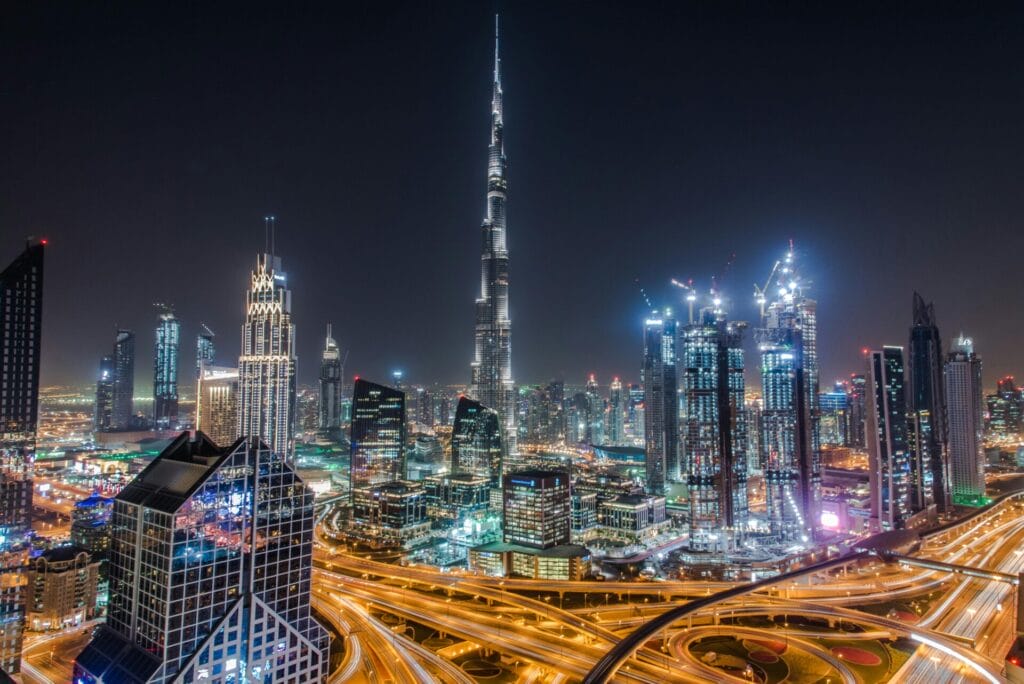
Dubai, a vibrant city of superlatives, draws thousands of expats each year due to its booming economy, tax-free salaries, and luxurious lifestyle. But there’s more to living in Dubai than just its glitzy appeal. From the cost of living to the cultural challenges, this guide will take you through every detail expats need to consider. Ready to explore Dubai’s lifestyle, opportunities, and challenges? Let’s dive in.
Why Expats Choose Living in Dubai: Top Reasons for Relocating
Living in Dubai is appealing for many reasons, especially for professionals seeking higher salaries, a tax-free environment, and ample job opportunities. As one of the safest cities in the world, Dubai offers a secure living environment with a high standard of healthcare and education. Additionally, its strategic location as a hub between Europe, Asia, and Africa makes it a perfect base for international travel.
Main Reasons Expats Choose Dubai:
- Competitive salaries and no personal income tax
- Diverse job market with opportunities in finance, IT, hospitality, and construction
- Luxurious lifestyle, world-class amenities, and modern infrastructure
- Safe environment with a low crime rate
- Vibrant expat community and social scene
For more on Dubai’s benefits, check out this expat guide to moving abroad.
Cost of Living in Dubai: What Expats Should Expect
One of the main factors to consider when living in Dubai is the cost of living. While salaries are often higher, the cost of living in Dubai can also be significant. The biggest expense for most expats is housing, especially in popular areas like Downtown Dubai or Dubai Marina.
- Rent: A one-bedroom apartment in central areas can cost anywhere from AED 5,000 to AED 10,000 per month. Suburban areas like Mirdif offer more affordable options.
- Utilities: Expect to pay AED 600-800 per month for electricity, water, and gas.
- Groceries: Monthly grocery bills range between AED 700-1,000 depending on your shopping habits.
For more detailed cost comparisons, visit our Dubai cost of living breakdown.
Expat Housing in Dubai: Popular Areas to Live
When it comes to expat housing in Dubai, the city offers various options for different budgets. High-rise apartments dominate areas like Business Bay, Dubai Marina, and Downtown Dubai, which are popular with professionals. Expats with families often opt for villas in suburban neighborhoods such as Arabian Ranches, The Meadows, and Jumeirah Village Circle.
For those looking to buy, Dubai offers freehold properties in designated areas, meaning expats can invest in real estate if they plan on staying long-term. Whether renting or buying, there’s a diverse range of options to suit different preferences and budgets.
Living in Dubai with a Family: Schooling and Family-Friendly Neighborhoods
Living in Dubai with a family involves some unique considerations. Families often look for spacious accommodations, proximity to schools, and community-focused environments. Dubai is home to several international schools offering the British, American, and IB curricula. Tuition can range from AED 25,000 to AED 100,000 per year, depending on the school.
Some popular family-friendly neighborhoods include:
- The Springs: Known for its parks and family-friendly atmosphere
- Jumeirah: Offers proximity to beaches and many international schools
- Mirdif: Affordable living with a suburban feel
You can find more family-friendly options in our best neighborhoods for families in Dubai guide.
Healthcare in Dubai: What Expats Need to Know
Dubai offers high-quality healthcare, but as an expat, you’ll need health insurance. Most employers provide insurance as part of the compensation package, but it’s essential to confirm the level of coverage. Public healthcare in Dubai is available, but many expats prefer private hospitals due to shorter wait times and higher standards of care.
Work-Life Balance in Dubai: How Expats Can Manage
Balancing work and leisure is key to enjoying living in Dubai. The workweek in Dubai runs from Sunday to Thursday, leaving Friday and Saturday for leisure. The city has plenty to offer, from beach clubs and desert safaris to world-class restaurants and shopping malls. Dubai also has a thriving nightlife, with many hotspots located in JBR and Palm Jumeirah.
Leisure activities for expats:
- Relaxing at one of the city’s many beaches
- Dining out at Michelin-star restaurants
- Desert safaris and outdoor adventures
- Shopping at Dubai’s famous malls, such as The Dubai Mall and Mall of the Emirates
Transportation in Dubai: Navigating the City
Dubai’s transportation system is modern and efficient. Many expats choose to drive, and getting a UAE driver’s license is straightforward for those with a valid international license. Parking is widely available, and fuel is cheaper compared to many other countries. However, public transport is also a viable option, especially the Dubai Metro, which is clean, affordable, and covers key areas of the city.
Cultural Differences and Etiquette: Important Considerations for Expats
While Dubai is cosmopolitan, it’s essential to respect the local culture. Cultural differences can be a challenge for some expats. Public displays of affection, wearing revealing clothing, and using offensive language in public can lead to fines or other legal consequences.
Etiquette for expats:
- Dress modestly in public areas
- Refrain from public displays of affection
- Understand the local laws and avoid disrespecting religious practices
Safety and Security: Living Safely in Dubai
Dubai is one of the safest cities globally, with a low crime rate and a strong police presence. Expats can feel secure living in most parts of the city, even walking at night. Emergency services are fast and reliable, further enhancing the feeling of security for those living in Dubai.
Visa and Residency Requirements for Expats in Dubai
To work and live in Dubai, expats need a residency visa, which is typically tied to employment. The visa process is usually handled by the employer, but it’s important to stay informed about your visa status and renewal deadlines. Expats can also sponsor their family members to join them in Dubai, provided they meet the income requirements.
Conclusion: Is Living in Dubai Right for You?
Living in Dubai offers expats a luxurious lifestyle, high salaries, and a safe, secure environment. While the cost of living can be high, particularly for housing, many find that the benefits outweigh the challenges. Whether you’re relocating alone or with your family, Dubai’s mix of modernity and tradition offers a unique experience for expats.
For further reading, check out our guide on moving to Dubai with family, which covers visas, housing, and schooling options in more detail.