
The United Arab Emirates (UAE) is a popular destination for individuals seeking to live and work in a thriving economy with a high standard of living. To reside in the UAE, foreign nationals must obtain a Dubai residence visa, which allows them to live and work in the country for an extended period. In this article, we will provide an overview of the UAE residence visa, its eligibility criteria, types, and application process.
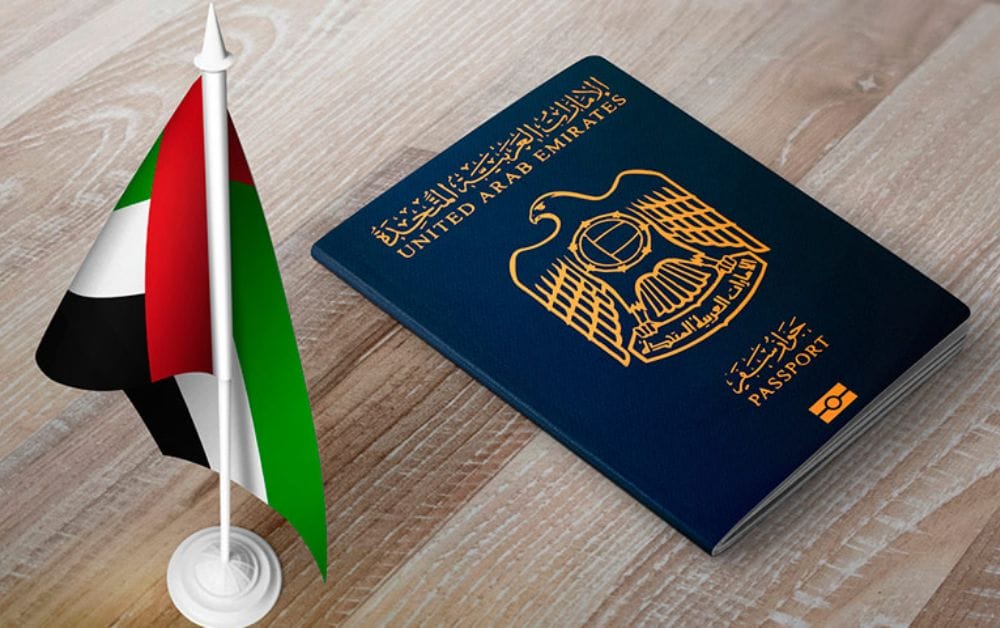
What is a UAE Residence Visa?
A UAE residence visa is a permit that enables foreign individuals to live in the country for an extended period. The UAE residency visa can be valid for a period of two, five, or even ten years and is renewable as frequently as required. Holding a residence visa essentially confers the same benefits as permanent residency.
Eligibility Criteria
To qualify for a UAE residence visa, individuals must meet certain eligibility criteria, such as finding a job or investing in one of the emirates. The visa holder or sponsor can be an employer, a family member, or the individual themselves if they are investing in a business or property.
Types of Residence Visas
The UAE offers various types of UAE residence visas, including:
Employment Visa: for individuals who have secured a job in the UAE
Investment Visa: for individuals who have invested in a business or property in the UAE
Retirement Visa: for individuals who have retired and wish to live in the UAE
Student Visa: for individuals who are studying in the UAE
Family Visa: for family members of UAE residents or citizens
How to Apply for a UAE Residence Visa
To apply for a visa in the UAE, individuals must follow these steps:
Determine the type of visa required
Gather the necessary documents, including a valid passport, medical insurance, and proof of income or employment
Find a sponsor, if required
Submit the application and pay the required fees
Wait for the application to be processed and the visa to be issued
The UAE residence visa fee varies depending on the type of visa renewal, and duration of the visa. The standard visa processing time ranges from 3 to 4 working days, while express visas can be processed in 36 hours.
UAE Residence Visa Fees and Renewal
Understanding the Costs and Renewal Process
When planning your move to Dubai, it’s crucial to understand the costs associated with obtaining and renewing a UAE residence visa. The fees for a residence visa can vary significantly depending on the type and duration of the visa. Typically, the costs range from AED 100 to AED 2,000. Additionally, you will need to budget for other expenses such as medical insurance, Emirates ID, and visa stamping fees.
Renewing your UAE residence visa is a straightforward process, but it requires timely action to avoid penalties. The renewal fees are as follows:
AED 100 for a 1-year visa
AED 200 for a 2-year visa
AED 300 for a 3-year visa
To renew your visa, you must submit the necessary documents and pay the renewal fees. The process can take anywhere from a few days to a few weeks, depending on the type of visa and the processing speed. Conveniently, the renewal can be done online or through a registered typing center, making it easier to manage your residency status without unnecessary delays.
How to Move to Dubai Permanently: A Complete Guide 2
Moving to a new country is like a game of chess, every move plays a crucial role in determining whether you succeed or face challenges. Thinking about moving to Dubai permanently? You’re not alone! Dubai attracts thousands of expats each year. Whether you’re looking for new job opportunities, setting up a business, or relocating with your family, the journey to settling in Dubai permanently is both exciting and life-changing. Over 85% of Dubai’s population consists of expatriates, so the city is well-equipped to support new residents. But before you make the move, it’s essential to understand the legal and tourist visa requirements, job market, cost of living, and how to relocate with your family. Additionally, obtaining a UAE permanent residency visa can provide long-term benefits for expatriates looking to enhance their quality of life in the United Arab Emirates.
Ready to learn how to move to Dubai permanently? Let’s dive in!
Legal Requirements to Move to Dubai Permanently with a UAE Residence Visa
Understanding the legal requirements for obtaining residency in Dubai is the first crucial step toward a permanent move.
Residency Visas: Dubai offers several visa options, including employment visas, business visas, and long-term residence permits like the Golden Visa. For most expats, the initial visa is obtained through an employer or by setting up a business.
Sponsorship Options: To live in Dubai legally, you need to be sponsored, either by an employer or a family member. Employers usually sponsor employees on a work visa, while family visas are available if you’re relocating with a spouse or dependents. The UAE residence visa application process requires you to first enter the UAE on an entry permit and then have a sponsor, such as an employer or spouse, to apply on your behalf.
Free Zone vs Mainland: If you work in one of Dubai’s free zones, your visa and employment permit will be processed through the free zone authority. Free zones offer certain benefits, such as 100% foreign ownership, but have restrictions on doing business in Dubai’s mainland. Mainland companies allow more flexibility in work scope but may have different visa requirements.
Permanent Residency: Dubai’s Golden Visa program offers long-term residency (up to 10 years) to investors, entrepreneurs, and highly skilled professionals, allowing them to live and work in Dubai without needing a local sponsor. This is one of the best options for securing permanent residency.
How to Find Jobs in Dubai
Finding a job is often a crucial step for expats moving to Dubai. Fortunately, Dubai has a thriving job market with opportunities in a wide range of industries.
Job Search Platforms: Some of the best places to start your job search are platforms like LinkedIn, Indeed, and Bayt. These sites are filled with job vacancies, ranging from entry-level positions to senior executive roles but remember the markets are competitive.
Top Sectors Hiring Expats: Key industries that hire expats in Dubai include technology, real estate, healthcare, education, hospitality, and finance. For example, nursing jobs in Dubai, real estate jobs in Dubai, and IT jobs in Dubai are always in high demand.
Networking in Dubai: Dubai is a city where connections can open doors. Attending networking events or working with recruitment agencies like can help you land a job faster.
Visa Sponsorship Jobs: Many employers in Dubai offer visa sponsorship, which is crucial if you’re moving without a job and need a residency visa. Make sure to apply for jobs that mention visa sponsorship explicitly.
Moving to Dubai with Family Members
Moving to Dubai with a family requires careful planning minimum investment, especially when it comes to housing, education, and healthcare.
Schools and Education: Dubai boasts a range of excellent international schools, including British, American, and Indian curricula. Popular schools include GEMS Education and Dubai International Academy. School fees vary widely, with international schools typically charging between AED 30,000 to AED 100,000 annually, depending on the grade level.
Family-Friendly Neighborhoods: Dubai offers several family-friendly residential areas. For example, Arabian Ranches, The Springs, and Jumeirah Village Circle (JVC) are popular with expats for their spacious homes, parks, and community amenities. Check out our guide on Top 5 Expat Friendly Areas
Healthcare in Dubai: Dubai has a world-class healthcare system. Expats can choose between private and public hospitals, with facilities like Mediclinic, NMC, offering top-tier services. Make sure your family is covered by health insurance, as it’s mandatory for all residents in Dubai.
Family Visa Sponsorship: As a resident, you can sponsor your spouse and children for a family visa. You’ll need to meet certain income requirements (usually a minimum salary of AED 4,000 to AED 10,000 per month) to sponsor dependents. UAE citizens can also sponsor their family members for residence visas, requiring eligibility criteria such as medical fitness tests and necessary documentation.
Cost of Living in Dubai
Living in Dubai offers a high standard of living, but the cost of living can vary depending on your lifestyle.
Housing Costs: Rental prices are a significant part of your monthly expenses. For example, a one-bedroom apartment in Dubai Marina or Downtown Dubai can range from AED 70,000 to AED 120,000 annually, while larger family homes in suburban areas like Mirdif or Arabian Ranches are pricier. Additionally, visa fees should be considered as an extra cost when budgeting for your move to Dubai.
Utility Bills: DEWA (Dubai Electricity and Water Authority) bills for electricity, water, and cooling typically range from AED 500 to AED 1,500 per month, depending on the size of your home and consumption.
Education Costs: As mentioned earlier, international schools in Dubai are costly, so budget accordingly if you’re moving with school-age children.
Groceries and Dining Out: Dubai has a mix of high-end restaurants and more affordable eateries. Grocery shopping can be done at hypermarkets like Carrefour or Spinneys, with prices depending on whether you’re buying local products or imports.
Benefits of Living in Dubai with a Residence Visa
Exploring the Advantages of Dubai Residency
Living in Dubai with a residence visa opens up a world of opportunities and benefits. One of the most significant advantages is access to high-quality education and healthcare. Dubai is home to numerous international schools and world-class medical facilities, ensuring that you and your family receive the best care and education.
The city’s thriving business environment is another major draw. Whether you’re an entrepreneur or a professional, Dubai offers ample opportunities for career growth and business development. The diverse and cosmopolitan community adds to the appeal, providing a rich cultural experience with a wide range of recreational activities.
Dubai’s strategic location makes it a hub for international travel and trade, offering easy access to global markets. Additionally, the tax-free lifestyle, with no income tax or value-added tax, allows residents to enjoy a higher standard of living. Residence visa holders also have the ability to own property and invest in real estate, further enhancing their financial stability.
Specific benefits for residence visa holders include access to government services, the ability to sponsor family members for a residence visa, and a range of recreational and cultural activities. From museums and parks to festivals and events, Dubai offers a vibrant lifestyle that caters to all interests.
How to Move to Dubai Without a Job: UAE Residence Visa Application
While securing a visa type a job before moving is ideal, it’s possible to move to Dubai without one. Here’s how:
Freelancer and Remote Work: Dubai offers a freelance visa that allows you to live and work independently. You can also apply for the remote work visa if you work for a company outside of the UAE but wish to live in Dubai. Additionally, there are various UAE visa options available for freelancers and remote workers, including Entry Permits and Residence Visas, each with specific requirements and pathways to residency.
Setting Up a Business: If you plan to start your own business, Dubai is one of the most entrepreneur-friendly cities. Setting up a business in a free zone is relatively straightforward, with minimal paperwork and no need for a local sponsor.
Networking for Opportunities: If you move to Dubai without a job, attending networking events, walk-in interviews, and recruitment fairs can be an effective way to find work. Sites like Bayt and Naukrigulf also offer freelance job listings.
Relocation Services and Moving Companies
Relocating to Dubai can be overwhelming, but professional moving companies and relocation services can simplify the process.
Top Moving Companies: Use reputable international and local moving companies to assist with your move to the UAE. They provide services like packing, shipping, and handling customs paperwork.
Shipping Furniture and Belongings: Depending on the volume of your household items, shipping costs to Dubai can vary. Companies like DHL and FedEx offer door-to-door international shipping services.
Temporary Housing: While you’re house-hunting, there are plenty of options for temporary accommodation in serviced apartments or short-term rentals.
Relocation Assistance: Many expats use relocation services to handle paperwork, visas, and finding housing, which makes the move smoother. Companies like 360 Global Relocations offer comprehensive services for new residents. Additionally, opening bank accounts after obtaining a residency visa is crucial for managing finances effectively.
Common Challenges and How to Overcome Them: Opening a Bank Account
Moving to a new country always presents challenges. Here’s how to tackle common issues when relocating to Dubai:
Cultural Adjustments: Dubai is a cosmopolitan city, but it’s important to respect Islamic customs. Public behavior, dress codes, and social norms are different from those in Western countries. For example, public displays of affection are discouraged, and modest attire is appreciated in certain areas. Sponsorship by a UAE citizen can also help new residents adapt to local culture and norms more smoothly.
Language Barrier: While English is widely spoken, learning basic Arabic phrases can help in day-to-day life and show respect for local culture.
Adapting to the Climate: Dubai’s desert climate means extreme heat, especially in summer months. Be prepared with air conditioning and plenty of hydration.
Work-Life Balance: Dubai’s work culture can be intense, particularly in competitive industries like finance and real estate. Learning to balance work and personal time is key to a successful relocation.
UAE Re-entry Rules for Residence Visa Holders
Guidelines for Maintaining Residency While Traveling
For those holding a UAE residence visa, understanding the re-entry rules is essential to maintaining your residency status while traveling abroad. The UAE allows residence visa holders to exit and re-enter the country multiple times during the validity period of their visa, with no limit on the number of entries and exits.
However, it’s crucial to ensure that you do not stay outside the UAE for more than 180 consecutive days. Exceeding this period will result in the cancellation of your residence visa, requiring you to apply for a new visa to re-enter the UAE.
To maintain your residency status, make sure you have a valid residence visa, Emirates ID, and passport. Additionally, having medical insurance that covers you in the UAE is mandatory. Staying informed about any changes to the re-entry rules is also important, as regulations can evolve.
By adhering to these guidelines, you can enjoy the benefits of living in the UAE while traveling abroad, ensuring that your residency status remains intact.

Conclusion
Moving to Dubai permanently is a dream for many expats, and with the right preparation, it’s completely achievable. From navigating legal requirements to securing a job, finding the right neighborhood for your family, and understanding the cost of living, this guide has covered everything you need to know. Whether you’re relocating for work, with your family, or to start a new business, Dubai offers a unique blend of opportunity and luxury. Obtaining UAE permanent residency can significantly enhance your quality of life, providing long-term stability and access to the vibrant expatriate community in cities like Dubai and Abu Dhabi. Ready to start your journey? Begin by exploring job opportunities, securing your residency, and working with relocation experts to make the process as smooth as possible. Welcome to your new life in Dubai!