
Relocating to Dubai as an expat is more than just a big decision it’s the beginning of a life chapter full of possibility. Whether you’re relocating for career growth, lifestyle change, or to give your family new experiences, Dubai offers a mix of modern comforts and rich traditions. This guide will help you understand everything you need to know about moving to the UAE so your transition into the United Arab Emirates feels smooth and empowering.
Table of Content
What Are the Visa Requirements when Relocating to Dubai as an Expat?
To live in Dubai, you’ll need a UAE residency visa. Most expats first enter on a temporary entry permit, which is later converted. Navigating the visa process is one of the most critical steps when relocating to Dubai as an expat.
Common visa types include:
- Employment visa – Sponsored by your UAE employer
- Investor visa – For those starting or investing in a business
- Property visa – For buyers of property worth AED 1 million or more
- Student visa – For full-time students at UAE institutions
- Retirement visa – For expats over 55 who meet certain financial requirements
Family Sponsorship: You can sponsor your spouse, children, and sometimes parents, provided you meet the income criteria and supply relevant documents like attested certificates. This ensures your loved ones can legally live in Dubai with you.
Understanding the UAE Residency Visa Process
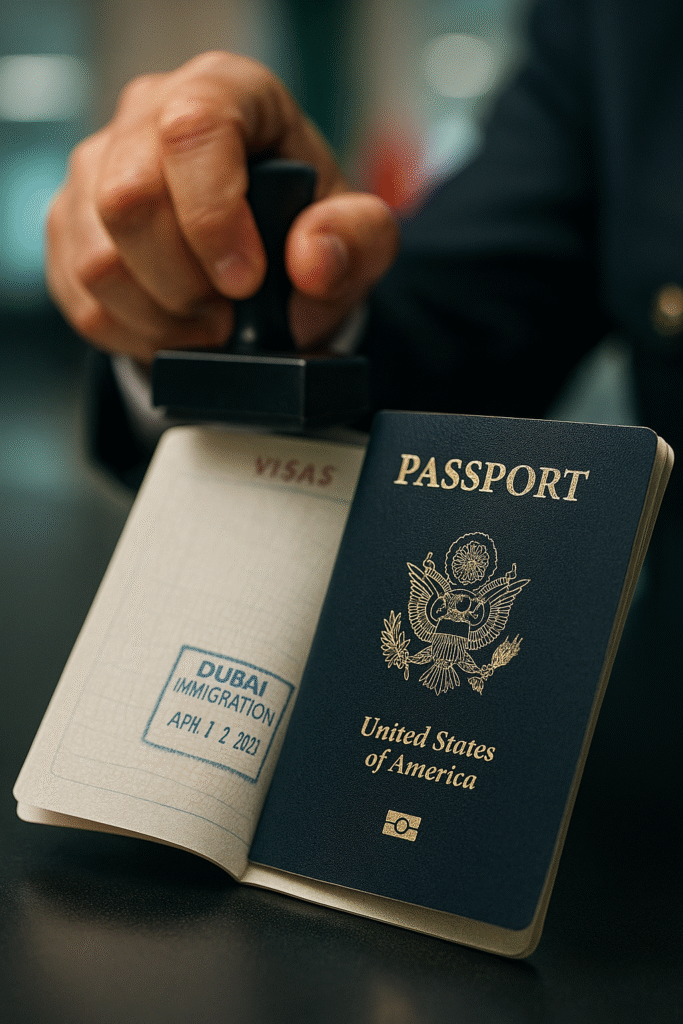
Once you arrive in Dubai, your sponsor usually your employer will guide you through the process.
It includes:
- Issuance of entry permit
- Medical fitness test
- Emirates ID application
- Health insurance coverage
Expats in Dubai often consider long-term visa options, such as the 10-year Golden Visa, which is open to certain investors, and professionals. It’s part of the UAE’s push to attract top global talent.
Work Permit Options for Expats
To work in Dubai, you’ll need a work permit. If you’re hired by a company, this is included in your visa process. Freelancers and remote professionals can apply through free zones that support self-sponsored permits.
Top hiring sectors for expats in the UAE include:
- Technology and AI
- Healthcare
- Real estate and construction
- Banking and finance
- Education and early childhood development
The UAE continues to attract expats from around the world due to its high standard of living and robust job market.
Sponsoring Family Members
To sponsor your family:
- Meet the income requirement (minimum AED 4,000/month)
- Provide housing and insurance
- Submit attested documentation
- Complete medical exams for dependents
Many expats relocating to Dubai choose to sponsor their families to experience life in Dubai together.
What Is the Cost of Living in Dubai?
Living in Dubai offers a high quality of life, but it comes with a price tag. The cost of living in Dubai can be high depending on your neighborhood, lifestyle, and family size.
Estimated monthly costs for a family of four:
- Housing: AED 6,000–15,000
- Groceries: AED 2,500–3,500
- Utilities: AED 500–1,000
- Transport: AED 300–600
- Education: AED 25,000–60,000 annually
When considering moving abroad, it’s important to evaluate average prices in Dubai and plan your budget accordingly.
Popular Expat Housing Areas: Dubai Marina and Jumeirah

Dubai Marina: Waterfront apartments, vibrant nightlife, and a modern expat community
Jumeirah: Family-friendly villas near international schools and beach access
Other freehold property areas include:
- Arabian Ranches: suburban and peaceful
- Palm Jumeirah: luxury island living
- Downtown Dubai: close to business hubs
Buying property in Dubai is a viable option for many expats, particularly in areas like Jumeirah and Marina.
Finding a Home
To find accommodation in Dubai, start your home search Dubai journey by exploring Property Finder, Bayut, or Dubizzle. Work with a certified real estate agent and visit neighborhoods before signing a lease. You can rent or buy property in freehold zones. Many expats choose areas close to schools and work.
How the Rental Process Works
- Leases are usually 12 months
- Rent paid in one to four cheques
- 5% refundable deposit
- Registration with Ejari is required
If you’re considering moving to Dubai, it’s essential to understand how leases and tenancy laws work.
Housing Options for All Budgets
- Low-cost: Deira, Al Nahda
- Mid-range: JVC, Mirdif
- High-end: Palm Jumeirah, Emirates Hills
There’s no one-size-fits-all; Dubai housing suits singles, couples, and families alike.
Managing the High Cost of Living
To reduce the high cost of living in Dubai:
- Live in affordable neighborhoods like Al Nahda or Deira
- Use public transport or ride apps
- Compare school fees across curricula
- Take advantage of employer-provided health insurance
Although the emirate is known for luxury, expats in Dubai can manage their expenses with smart choices.
Transportation and Daily Life
Getting around Dubai is easy and modern. Whether you’re commuting to work or exploring your new city, options are plentiful.
- Metro and Tram: Affordable and reliable
- Public Buses: Great coverage
- Taxis and Ride Apps: Uber, Careem, and traditional taxis
- Driving: Allowed with an international license initially
The Dubai transportation system makes it easy to enjoy life in the UAE without owning a car.
Finding a Job in Dubai Before You Move
Thinking of moving to Dubai? Start your job search at least 3–6 months in advance. Use platforms like:
- Bayt.com
- GulfTalent
Look for companies that offer expat-friendly relocation support and visa sponsorship. Relocating to Dubai as a foreigner is much smoother with a job offer in hand.
High-Demand Careers in the UAE
If you want to work in Dubai, these sectors are expanding:
- Artificial intelligence and digital transformation
- Sustainable energy
- Hospitality and tourism
- Healthcare and life sciences
- Logistics and e-commerce
Understanding the job market helps expats plan their move to Dubai effectively.
Salary Expectations and Lifestyle
While Dubai offers tax-free income, the standard of living comes with costs. Many expats are attracted by the financial benefits, but it’s important to budget smartly.
Average income perks may include:
- Housing or transport allowances
- Private health insurance
- Return flights to your home country
Despite the high cost of living, Dubai is regarded as a top destination for career-driven individuals.
Building Your Network in Dubai
A strong expat community in Dubai supports newcomers through:
- Business networking groups
- Community clubs and associations
- Events for professionals
- Online forums and social platforms
Building relationships is key to both career growth and settling in.
Banking and Insurance Requirements
To manage finances and access services, expats must:
- Open a bank account in Dubai
- Maintain health insurance in Dubai
Whether you’re starting up a business or managing personal finances, banking in the UAE is straightforward once your residence visa is issued.
How to Open a Bank Account
You’ll need:
- Emirates ID
- UAE residence visa
- Proof of address
- Salary certificate or business license
Expats can choose from local and international banks, including Emirates NBD and HSBC. If you’re moving to the UAE, setting up your bank account is an early priority.
Health Insurance in Dubai
Health insurance is mandatory for all expats. Employers typically provide basic plans, but many opt for enhanced private policies.
Options include:
- Basic coverage
- Comprehensive plans with dental, maternity, and optical
There are Service Providers that cater specifically to expat families living in the UAE.
Managing Your Money as an Expat
Currency: UAE Dirham (AED)
Tips for managing finances:
- Compare currency exchange services
- Use digital banking apps
- Know the fees for international transfers
Planning ahead helps reduce financial stress when relocating to the UAE.
Pros and Cons of Living in Dubai
Benefits of living in Dubai:
- Tax-free income
- International schools and hospitals
- Safe and secure environment
- High-tech infrastructure
Cons:
- High rent in some neighborhoods
- Hot and humid summers
Benefits Dubai Offers Expats
Living in Dubai offers a unique lifestyle. It’s one of the few global cities where expats can enjoy zero income tax, top-tier education, and world-class services.
The UAE government has made the emirate attractive for both individuals and international moving companies by simplifying residency rules and improving digital services.
Challenges You Might Face
While many expats thrive, adjusting to Dubai can include:
- Cultural adaptation
- Legal system differences
- High upfront costs (e.g., rent in advance)
Understanding what to expect helps avoid surprises.
Cultural Considerations for Newcomers
When relocating to Dubai as an expat, be aware of:
- Dress code in public spaces
- Respect during prayer times and holidays
- Limited alcohol consumption in public
The official language of the UAE is Arabic, but English is widely spoken, making daily life easier.
Everyday Life Tips
Daily life in Dubai offers convenience and variety:
- Week runs Monday to Friday
- Summer is extremely hot (up to 50°C)
- Malls are social and recreational hubs
- Brunch is a weekend tradition
Living overseas can be exciting and comfortable with the right expectations.
Local Etiquette and Social Customs
When interacting in the emirate:
- Greet with the right hand
- Be respectful in speech and dress
- Avoid public disputes or displays of affection
Understanding the culture in Dubai helps expats integrate with ease.
Education Options for Families
Families moving to Dubai can choose from:
- British, American, IB, French, Indian, German curricula
- Top schools: GEMS Wellington, Dubai British School, Al Bateen
Schools in Dubai offer a range of tuition fees, extracurriculars, and language programs. Education in the UAE is a priority for many expat families.
How to Get Around Dubai
You can get around using:
- Metro and tram
- Buses and water taxis
- Ride-hailing apps like Uber and Careem
Owning a car is common, but not essential thanks to Dubai’s modern public transport system.
Driving notes: UAE roads are fast, monitored, and toll-tagged with Salik.
Final Thoughts
Relocating to Dubai as an expat opens doors to new career paths, friendships, and a global lifestyle. The process is smoother when you’re informed and supported every step of the way. If you’re considering moving to Dubai from the UK, US, or anywhere abroad, now is the time to plan.
At 360 Global Relocations, we simplify the relocation journey from visa support to home search and everything in between. Get in touch today and let’s make your Dubai move a confident one.