
Introduction
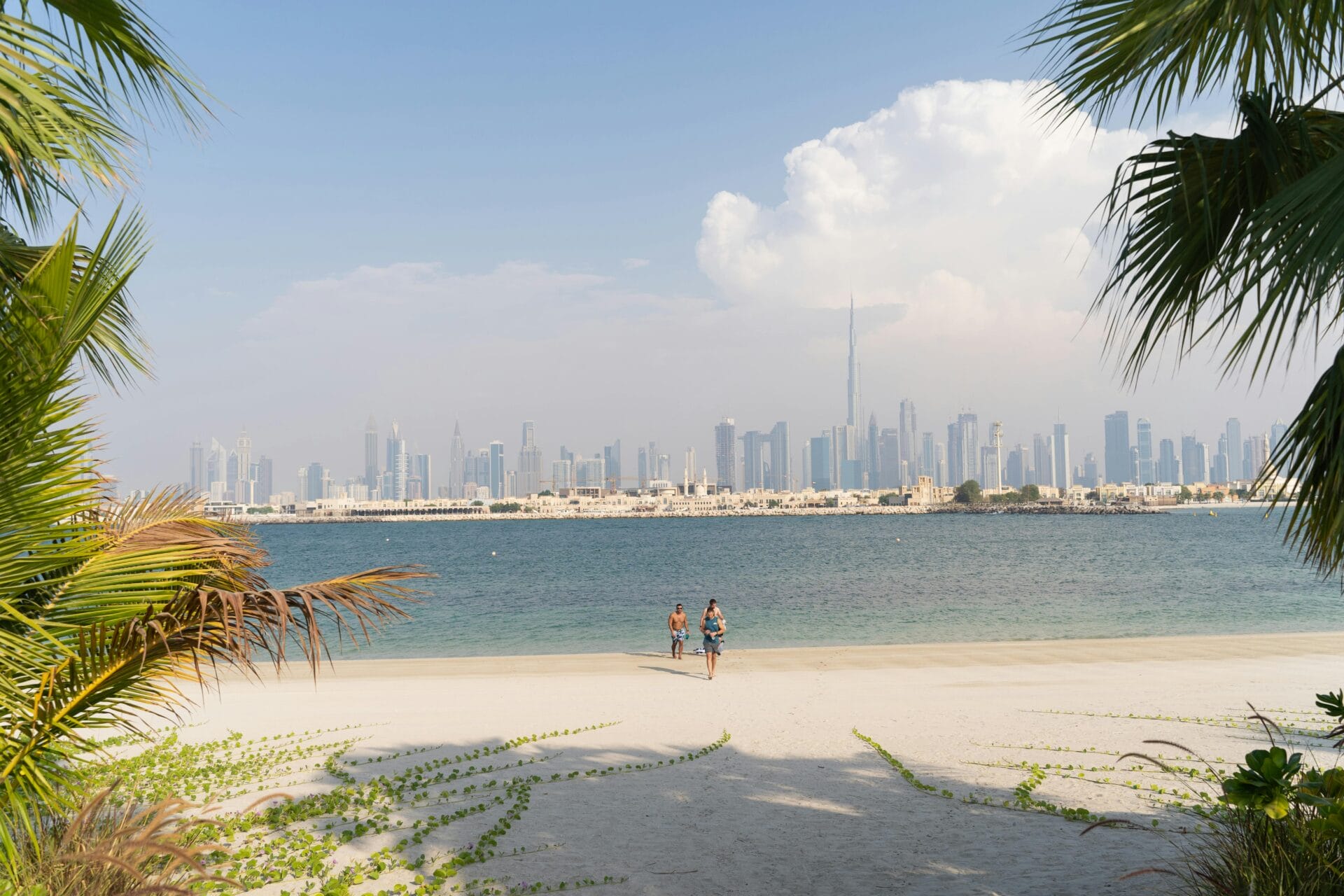
Have you ever dreamed of living in a city where ancient traditions meet futuristic marvels? A place where sun-kissed beaches coexist with towering skyscrapers, and every day feels like an adventure? Welcome to Dubai, a metropolis that has captivated the imagination of millions worldwide.
But let’s face it, moving to a new country can be daunting. The visa process, finding a home, adapting to a new culture, and managing finances in a foreign land can seem overwhelming. Many expats find themselves lost in a maze of regulations and cultural nuances, unsure where to begin their Dubai journey. Fear not! This comprehensive guide will walk you through every aspect of moving to Dubai, from understanding its unique appeal to building a thriving social network. We’ll demystify the visa process, help you find your dream home, and show you how to embrace the local culture while managing your finances effectively. So, buckle up as we embark on this exciting journey to make your Dubai dreams a reality!
Understanding Dubai’s Unique Appeal
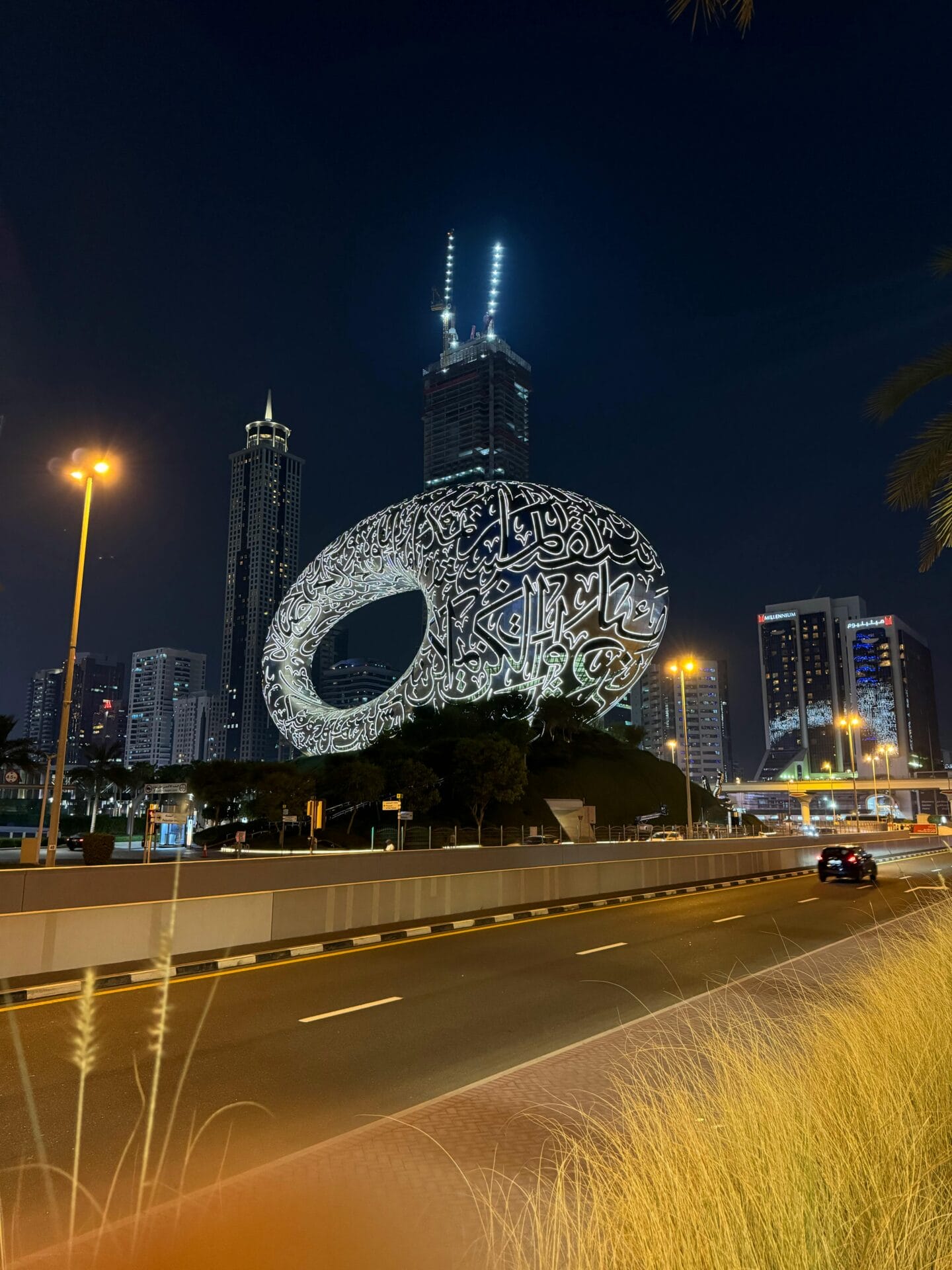
Dubai’s allure as a global destination for expats and professionals is undeniable. As a leading Relocation Company in Dubai, we understand the key factors that make this emirate a magnet for people from around the world. Dubai embodies a blend of modernity and tradition, creating a vibrant cosmopolitan hub that caters to expatriates and offers numerous business opportunities.
A. World-Class Infrastructure and Modern Living
Dubai boasts cutting-edge infrastructure that rivals any major city in the world, including cutting-edge medical equipment in its healthcare facilities. From towering skyscrapers to state-of-the-art transportation systems, the city offers a futuristic living experience.
- Iconic landmarks: Burj Khalifa, Palm Jumeirah, Dubai Mall
- Smart city initiatives: AI-powered services.
- Advanced telecommunications: 5G networks, high-speed internet
B. Year-Round Sunshine and Luxurious Amenities
Dubai’s climate and luxury offerings create an enviable lifestyle for residents:
| Season | Average Temperature (°C) | Activities |
|---|---|---|
| Winter | 20-25 | Desert safaris, outdoor dining |
| Summer | 35-40 | Indoor entertainment, beach clubs |
During the summer months, the hot weather can exceed 40℃, prompting significant lifestyle adjustments such as moving activities indoors or scheduling them at cooler times of the day.
- World-class beach resorts
- Luxury shopping destinations
- High-end spas and wellness centers
C. Cultural Diversity and Cosmopolitan Lifestyle
Dubai’s multicultural environment offers a unique blend of traditions and modernity:
- Over 200 nationalities living harmoniously
- International cuisine from around the globe
- Cultural festivals and events year-round
D. Tax-Free Income and Economic Opportunities
Dubai’s economic landscape is a major draw for professionals and entrepreneurs:
- 0% income tax for individuals
- Thriving business sectors: Finance, technology, tourism
- Free zones offering 100% foreign ownership.
The Dubai job market is rapidly growing, with a constant demand for skilled labor in both private and government sectors, making it a commercial and trading hub that attracts start-ups due to its business-friendly economy.
With these compelling features, it’s no wonder that Dubai continues to attract people from all walks of life. Next, we’ll delve into the practical aspects of making your move to this dynamic city, starting with the visa process.
Navigating the Visa Process
Understanding the visa process is crucial for a smooth transition when moving to Dubai. Let’s explore the key aspects of obtaining and maintaining your legal status in the UAE. Ensure you verify your visa requirements before traveling to the UAE.
Types of Visas Available for Expats
Dubai offers various visa options for expatriates, catering to different purposes and durations of stay:
| Visa Type | Duration | Purpose |
|---|---|---|
| Tourist Visa | 30-90 days | Short-term visits |
| Employment Visa | 2-3 years | Working in Dubai |
| Student Visa | 1 year (renewable) | Studying in Dubai |
| Investor Visa | 2-3 years | Business investment |
| Retirement Visa | 5 years | For retirees aged 55+ |
Requirements and Documentation
To obtain a Dubai visa, you’ll need to prepare the following:
- Valid passport with at least 6 months of validity
- Passport-sized photographs
- Completed visa application form
- Proof of accommodation in Dubai
- Medical fitness certificate
- Health insurance coverage
Sponsorship Options
Most expats require sponsorship for their visas. Common sponsors include:
- Employers (for work visas)
- Educational institutions (for student visas)
- Family members (for dependents)
- Property owners (for property investors)
Visa Renewal and Long-Term Residency
Dubai has recently introduced long-term residency options, such as the Golden Visa, offering 5-10 year residency for qualified individuals. For standard visas, renewal is typically required every 2 years. The renewal process involves:
- Updating your medical fitness certificate
- Renewing your Emirates ID
- Submitting a new visa application
With these options and processes in mind, let’s explore the next crucial step in your Dubai journey: finding your dream home in this vibrant city.
Finding Your Dream Home
Finding the perfect place to call home is a crucial step in your relocation journey. Whether you’re focusing on home search Abu Dhabi, let’s explore some essential aspects of the housing market to help you make an informed decision.
Tips for Negotiating with Landlords or Agents
- Research market rates before entering negotiations
- Be prepared to bargain, it’s expected in Dubai
- Ask for inclusions like maintenance fees or parking spaces
- Consider the timing of your move (summer months may offer better deals)
Understanding Local Real Estate Laws
Dubai’s real estate laws are designed to protect both tenants and landlords. Here’s a quick overview:
| Law | Description |
|---|---|
| Rent Cap | Annual rent increases are regulated |
| Ejari System | Mandatory registration of rental contracts |
| Security Deposits | Limited to a maximum of 5% of annual rent |
| Notice Periods | Typically 90 days for both parties |
Renting vs. Buying Property
Deciding whether to rent or buy depends on your long-term plans and financial situation:
- Renting offers flexibility and lower upfront costs
- Buying provides potential investment returns and stability
- Consider factors like visa status and financing options
Popular Residential Areas for Expats
Dubai offers diverse neighborhoods catering to different lifestyles:
- Dubai Marina: Waterfront living with a vibrant nightlife
- Palm Jumeirah: Luxury villas and apartments on an iconic man-made island
- Downtown Dubai: Central location with proximity to major attractions. Living in the city centre tends to be more expensive, offering a high-quality lifestyle along with various amenities.
- Emirates Hills: Upscale villas in a gated community
- Jumeirah Lake Towers (JLT): Family-friendly area with numerous amenities
- Jumeirah Beach Residence (JBR): Popular among families and known for its luxury housing options
Now that you have an overview of Dubai’s housing market, let’s explore how to embrace the local culture and make the most of your new life in this dynamic city.
Embracing the Local Culture
Having settled into your new home, it’s time to immerse yourself in the rich tapestry of Dubai’s culture. Embracing local customs and traditions will enrich your experience and help you build stronger connections with the community.
A. Participating in Cultural Events and Festivals
Dubai’s calendar is brimming with exciting events that showcase its heritage and modernity. Here are some must-attend celebrations:
- Eid al-Fitr and Eid al-Adha
- Dubai Shopping Festival
- Dubai Food Festival
- UAE National Day
| Event | Time of Year | Description |
|---|---|---|
| Eid al-Fitr | End of Ramadan | Marks the end of fasting with feasts and gatherings |
| Dubai Shopping Festival | January-February | Month-long shopping extravaganza with discounts and events |
| UAE National Day | December 2 | Celebrates the country’s formation with parades and fireworks |
B. Learning Basic Arabic Phrases
While English is widely spoken in Dubai, learning a few Arabic phrases can go a long way in showing respect and building rapport:
- Marhaba (Hello)
- Shukran (Thank you)
- Ma’a salama (Goodbye)
- Min fadlak/fadliki (Please – male/female)
C. Dress Code Guidelines
Dubai’s dress code is more conservative than in many Western countries. While not as strict as in other parts of the UAE, it’s important to dress modestly, especially in public areas:
- Cover shoulders and knees in public places
- Avoid overly revealing or tight clothing
- Beachwear is acceptable at beaches and pools only
D. Respecting Islamic Customs and Traditions
Islam plays a significant role in Dubai’s culture. Show respect by:
- Observing Ramadan etiquette (avoiding eating, drinking, or smoking in public during daylight hours)
- Being mindful of prayer times
- Avoiding public displays of affection
- Refraining from alcohol consumption in public areas outside of licensed venues
By embracing these cultural aspects, you’ll find your transition to life in Dubai smoother and more rewarding. Next, we’ll explore how to manage your finances in this dynamic city.
Managing Finances in Dubai
Having settled into your new home and embraced the local culture, it’s time to focus on managing your finances in Dubai. This vibrant city offers numerous opportunities for financial growth, but it’s essential to understand the local financial landscape.
A. Opening a Bank Account
Opening a bank account is a crucial first step for expats in Dubai. The process is straightforward, but you’ll need to prepare some documents:
- Valid passport
- UAE residence visa
- Proof of address (utility bill or rental agreement)
- Salary certificate from your employer
| Local Banks | International Banks |
|---|---|
| Emirates NBD | HSBC |
| Dubai Islamic Bank | Citibank |
| Mashreq Bank | Standard Chartered |
B. Saving and Investment Opportunities
Dubai offers a range of saving and investment options for expats:
- High-yield savings accounts
- Real estate investments
- Stock market trading through the Dubai Financial Market (DFM)
- Mutual funds and ETFs
- Precious metals and commodities
C. Cost of Living in Dubai Considerations
While Dubai can be expensive, careful budgeting can help you manage your expenses. The cost of living and rental prices in Dubai are comparable to those in central London, so financial considerations are crucial when relocating:
- Housing: Typically the largest expense, accounting for 30-40% of your income
- Transportation: Consider using the Dubai Metro to save on commuting costs
- Use a Nol Card for bus fares to save money and make transit more convenient
- Food: Local markets offer fresh produce at lower prices than supermarkets
- Entertainment: Look for free events and activities to balance your lifestyle
D. Currency and Exchange Rates
The local currency is the United Arab Emirates Dirham (AED), pegged to the US Dollar at a fixed rate of 1 USD = 3.6725 AED. This stability makes financial planning easier for expats, especially when sending money home or making international investments.
With these financial aspects in mind, you’ll be well-equipped to navigate Dubai’s economic landscape. Next, we’ll explore the healthcare and education systems in the UAE, ensuring you’re prepared for all aspects of life in your new home.
Healthcare and Education
Now that you’ve settled into your new home and embraced the local culture, it’s time to focus on two critical aspects of life in Dubai: healthcare and education. These services are world-class in the emirate, and for those considering relocation nearby, our school search in Abu Dhabi services help expats access top educational options.
Continuing Education Options for Adults
Dubai’s commitment to lifelong learning is evident in its numerous adult education programs. Here are some popular choices:
- Dubai Knowledge Park: A hub for professional development courses
- American University in Dubai: Offers executive education programs
- Middlesex University Dubai: Provides part-time and distance learning options
International Schools and Universities
For families with children or young adults pursuing higher education, Dubai boasts an impressive education system with a range of international institutions. Relocating families to Dubai involves complexities and challenges, particularly affecting career decisions and children’s education, and raises the question of whether Dubai is a better environment to raise children compared to other places. That’s where trusted relocation companies in Abu Dhabi come in to provide essential support and guidance throughout the moving process.
| School Type | Notable Examples |
|---|---|
| Primary/Secondary | Dubai American Academy, GEMS World Academy |
| Universities | New York University Abu Dhabi, Heriot-Watt University Dubai |
Top Hospitals and Medical Facilities
Dubai’s healthcare system is renowned for its state-of-the-art facilities and highly qualified healthcare professionals. Some of the leading hospitals include:
- Mediclinic City Hospital
- American Hospital Dubai
- Aster Hospital
- Zulekha Hospital
These facilities offer a wide range of specialties and are equipped with cutting-edge technology to provide top-notch medical care.
Health Insurance Requirements
Understanding healthcare insurance in Dubai is crucial for expats. The UAE government mandates that all residents, including expatriates, must have health insurance coverage. Medical insurance is essential for residents in Dubai, highlighting its mandatory nature and the varied coverage options provided by employers. Key points to remember:
- Employers are required to provide basic health insurance for their employees
- Dependents (spouse, children) must also be covered, either by the employer or individually
- Insurance plans vary, so it’s essential to review coverage details carefully
With these world-class healthcare and education options, expats in Dubai can rest assured that their families’ well-being and future are in good hands. Next, we’ll explore how to navigate Dubai’s transportation system and get around this bustling city efficiently.
Transportation and Getting Around
Now that you’ve settled into your new home and lifestyle in Dubai, it’s time to explore the city’s transportation options. Dubai offers a diverse range of ways to get around, catering to various preferences and needs.
A. Ride-Hailing Services and Taxis
Dubai’s ride-hailing services and taxis provide convenient and comfortable transportation options:
- Uber and Careem are popular ride-hailing apps
- RTA taxis are readily available and metered
- Luxury taxi services for a more upscale experience
B. Purchasing or Leasing a Vehicle
For those seeking more independence, owning or leasing a car in Dubai is a viable option:
| Option | Pros | Cons |
|---|---|---|
| Purchasing | Long-term investment, freedom to modify | Higher upfront costs, maintenance responsibility |
| Leasing | Lower initial costs, newer models available | Mileage restrictions, less flexibility |
C. Obtaining a Driver’s License
To drive in Dubai, you’ll need a valid UAE driver’s license. The process varies depending on your home country:
- Some countries have agreements allowing license exchange
- Others require taking a driving test
- New drivers must complete a comprehensive training program
D. Public Transit Options (Metro, Buses, Trams)
Dubai’s public transportation system is modern, efficient, and constantly expanding:
- Dubai Metro: Two lines covering major areas of the city
- Bus network: Extensive coverage, including air-conditioned bus stops
- Dubai Tram: Connecting Dubai Marina to Palm Jumeirah
The Dubai Metro system is particularly noteworthy, offering a clean, fast, and affordable way to navigate the city while avoiding traffic congestion.
With these diverse transportation options, you’ll find getting around Dubai to be convenient and efficient, allowing you to fully explore and enjoy your new home in the UAE.
Building a Social Network
Moving to a new city can be daunting, but Dubai’s vibrant expat community offers numerous opportunities to connect and build lasting relationships. Here’s how you can establish a strong social network in your new home:
Using Social Media to Connect with Fellow Expats
Social media platforms are invaluable tools for connecting with other expats in Dubai. Here are some popular options:
- Facebook groups (e.g., “Expats in Dubai UAE”)
- Instagram hashtags (#DubaiExpats, #ExpatLifeDubai)
- LinkedIn for professional connections
- Meetup.com for interest-based gatherings
Sports and Recreational Activities
Dubai offers a wide range of sports and recreational activities that can help you meet like-minded individuals:
| Activity | Popular Venues |
|---|---|
| Golf | Emirates Golf Club, Dubai Creek Golf & Yacht Club |
| Beach sports | Kite Beach, JBR Beach |
| Desert adventures | Desert safari tours, dune bashing |
| Fitness classes | Dubai Marina Walk, Zabeel Park |
Additionally, Dubai’s theme parks provide numerous family-friendly activities, making the city an appealing destination for both expatriates and residents.
Networking Events and Professional Associations
Attend industry-specific events and join professional associations to expand your network:
- Dubai Chamber of Commerce events
- DMCC (Dubai Multi Commodities Centre) networking sessions
- Industry-specific conferences and exhibitions
- Professional development workshops
Joining Expat Communities and Clubs
Expat communities and clubs offer a sense of belonging and opportunities to socialize:
- InterNations Dubai chapter
- American Women’s Association of Dubai
- British Business Group
- German Emirati Joint Council for Industry and Commerce
By actively participating in these social avenues, you’ll quickly build a diverse and supportive network in Dubai. Remember, many expats are in the same boat, looking to make connections, so don’t hesitate to reach out and introduce yourself.

Dubai offers a unique blend of modern luxury and rich cultural heritage, making it an attractive destination for expatriates from around the world. From navigating the visa process to finding your dream home, embracing the local culture, and managing your finances, moving to Dubai requires careful planning and consideration. Understanding the healthcare and education systems, transportation options, and building a social network are also crucial aspects of settling into your new life in this vibrant city.
As you embark on your journey to Dubai, remember that adaptability and open-mindedness are key to thriving in this dynamic environment. Whether you’re seeking career opportunities, a luxurious lifestyle, or a cultural adventure, Dubai has something to offer for everyone. Take the time to research, prepare, and immerse yourself in all that this incredible city has to offer, and you’ll soon find yourself at home in one of the world’s most exciting and diverse destinations.
Ready to start your Dubai journey? Contact us today to explore how we can assist with every step of your relocation process!
Frequently Asked Questions?
What are the schooling options for children in Dubai?
How does healthcare work in Dubai?
Employers typically provide health insurance, which can also be extended to family members.